
August brings ripe blackberries, dark elderberries and fresh leafy regrowth. Explore ribwort plantain and stinging nettle alongside these late-summer fruits, with practical identification tips and simple ideas for your kitchen.
This guide focuses on the Netherlands and nearby regions with a similar climate. Harvest times vary with local conditions.
Familiar late-summer plants and fruits that are suitable for careful beginners.
Ripe berries, young leafy regrowth and abundant seasonal produce.
Hedgerows, woodland edges, gardens, parks and clean green spaces.
Take only what you need and leave plenty of food and shelter for wildlife.
Start with these four familiar late-summer finds. Open each guide for detailed identification, possible lookalikes and important safety information. This guide focuses on the Netherlands and nearby regions with a similar climate. Harvest times vary with local conditions.
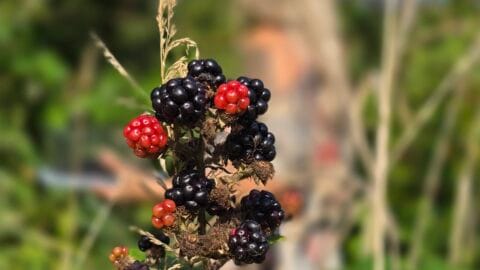
Rubus fruticosus agg.
Deep purple-black berries that release easily when ripe, growing in clusters along the canes.
Arching, usually prickly canes with serrated leaves. Ripe berries are juicy and sweet to slightly tart.
Safety: Harvest only healthy fruit from clean, unsprayed locations and wash before use. Leave mouldy or damaged berries behind. Enjoy ripe blackberries fresh, or use them in jams, sauces and baking.
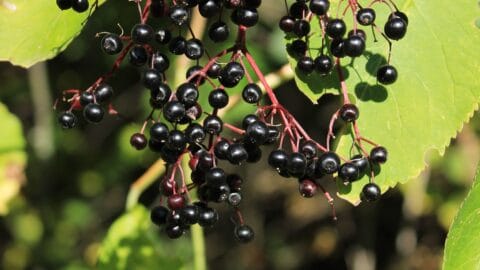
Sambucus nigra
Opposite leaves made up of five to seven serrated leaflets, with pointed tips.
Ripe berries turn purple-black and hang in broad, drooping clusters. Ripening varies with location.
Safety: Use only correctly identified, fully ripe berries. Remove all stalks and cook the berries before eating. Leaves, bark, stems and unripe berries are not used as food. Use cooked berries in syrups, jellies and sauces.
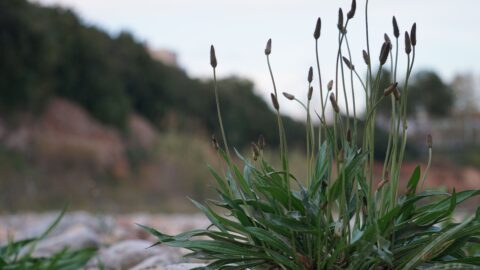
Plantago lanceolata
Safety: Harvest clean, healthy leaves away from busy roads, sprayed areas and heavily used paths.
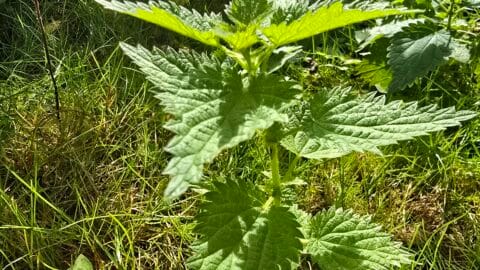
Urtica dioica
Safety: Wear gloves when harvesting. Cooking, blanching or thorough drying neutralises the sting.
August harvests can be enjoyed fresh, cooked or preserved. From sweet berry spreads to warming syrups and crisp wild leaves, there are plenty of simple ways to make the most of the season’s bounty.
A few simple precautions will help you forage safely and responsibly.
Confirm the plant using several identifying features.
Avoid roadsides, sprayed areas and polluted ground.
Take only what you need and leave plenty for wildlife.
Follow the preparation advice in each plant guide.
Every wild plant has its own identification features, edible uses, lookalikes and preparation advice. Visit the complete plant guides before harvesting something unfamiliar.