

Nutrition, Foraging & Traditional Uses
Season
September – November
Habitat
Old parks, forest edges, traditional groves.
Edibility
Edible when roasted, high in starch (do not eat raw in large amounts).
Introduction
Chestnuts are an ancient food source, cherished across Europe and Asia for centuries. Unlike most nuts, they are rich in starch rather than oil, making them closer to grains in nutrition. Roasted chestnuts are a classic autumn and winter treat, often linked to harvest festivals and seasonal abundance.
Identification
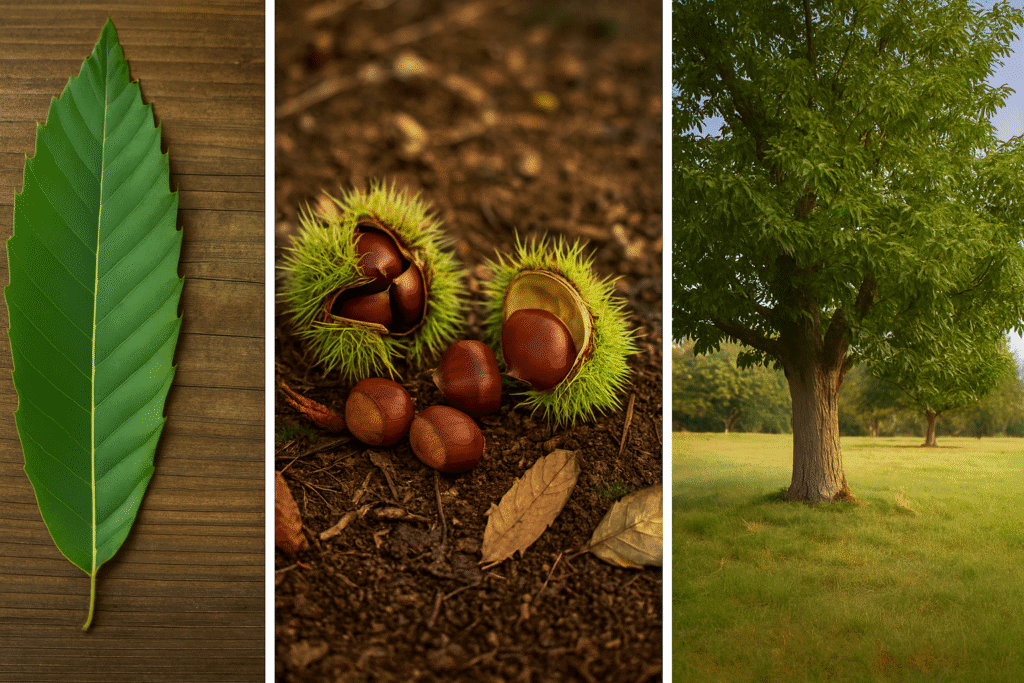
🌰 Nut: Enclosed in a green, spiky husk with 1–3 glossy brown nuts inside.
🌿 Leaves: Long, lance-shaped with serrated edges.
🌳 Tree: Tall, spreading crown, deeply furrowed bark in older trees.
When to Harvest
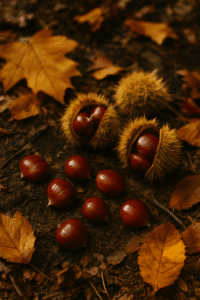
Best time: October–November.
Collect only when husks naturally split and nuts fall to the ground.
Choose firm, shiny nuts – soft ones are spoiled.
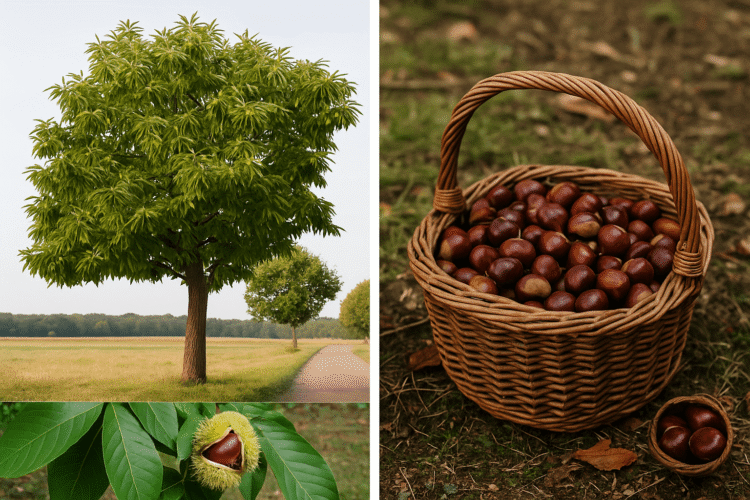
Where to Find Them
Found in old groves, rural lanes, and forest edges.Often planted near villages or farmhouses.
Health Benefits
High in starch, fiber, vitamin C, and minerals.
Naturally low-fat and gluten-free.
Traditionally used as a grain substitute (chestnut flour).
Provides slow-release energy → grounding and sustaining.
Recipes
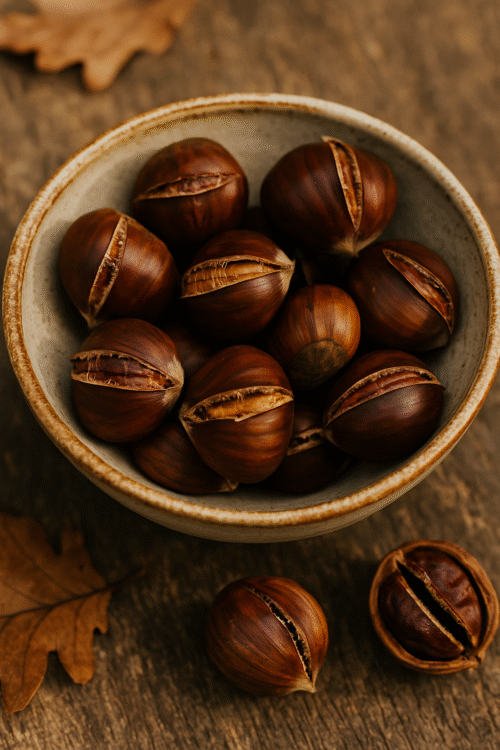
Roasted Chestnuts
The classic autumn snack.
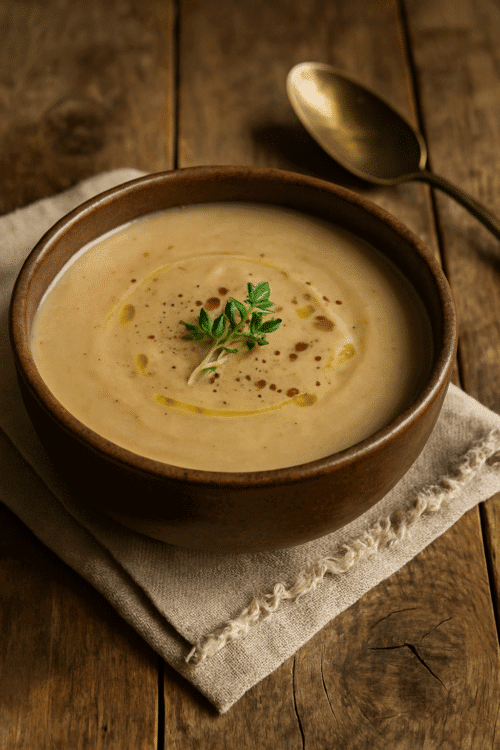
Chestnut Soup
Creamy and warming.
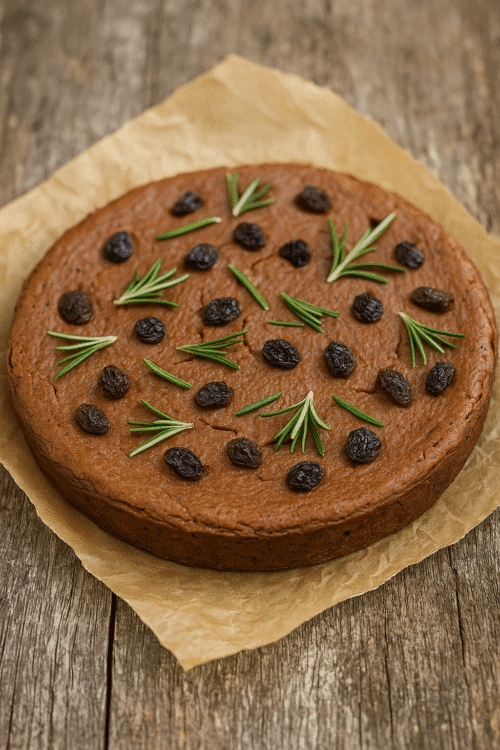
Chestnut Cake
Traditional Italian chestnut flour cake.
Storage Tips
Fresh ❄️
1 week in cool place, then risk of mold.
Cooked 🏺
fridge 2–3 days.
Frozen 🥶
peel and freeze whole or as puree for up to 1 year.
Folklore & Symbolism
Symbol of fertility, abundance, and protection.
Called the “bread tree” in mountain regions where chestnuts replaced grains.
Linked to autumn harvest rituals and winter survival.