
Nutrition, Foraging & Traditional Uses
Season
September – November
Habitat
Oak trees in forests, parks, and countryside.
Edibility
Edible when properly processed (tannins must be leached).
Introduction
Acorns are the nuts of oak trees, long valued as both food and symbol. While not eaten raw due to their bitter tannins, they have been used for centuries as a staple flour, a roasted beverage, and a survival food in many cultures.
Identification
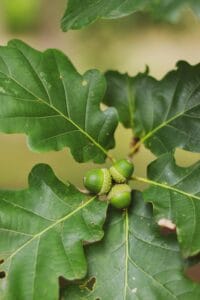
🌰 Nut: Oval nut with a rough cap (cupule), green when unripe, brown when mature.
🌿 Leaf: Classic oak leaf with deep lobes, sturdy texture.
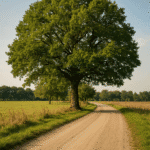
🌳 Tree: Majestic oak tree with broad trunk and wide crown.

When to Harvest

Best time: Autumn, September–November.
Gather acorns that fall naturally, firm and brown.
Avoid cracked, moldy, or insect-damaged acorns.

Where to Find Them
Common under oaks in forests, groves, hedgerows, and parks.Often scattered in abundance after autumn winds.
Health Benefits
Rich in carbohydrates and fiber (sustaining food).
Good source of minerals: potassium, magnesium, calcium.
Provide antioxidants.
Traditionally roasted as a coffee substitute.
Recipes

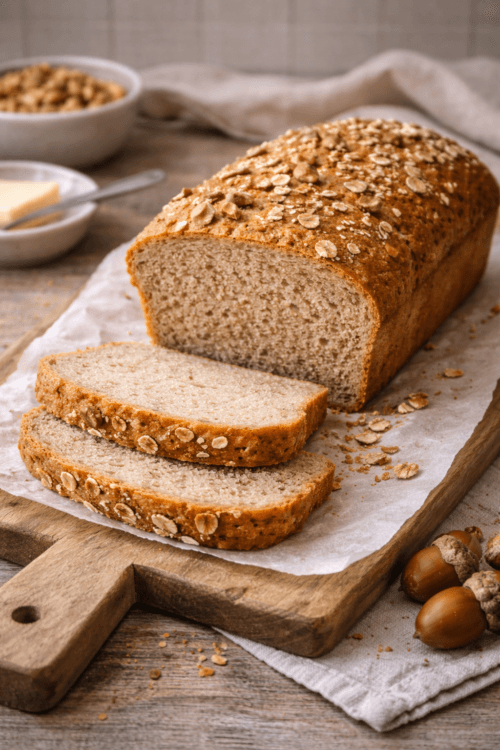
Acorn Flour Bread
rustic, dense bread with nutty taste.
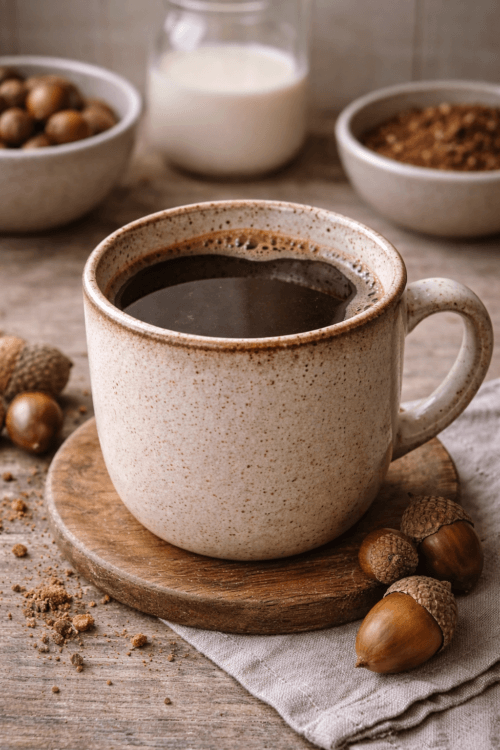
Acorn Coffee
roasted acorns ground into a warm drink.

Acorn Pancakes
fluffy, lightly sweet pancakes.
Storage Tips
Fresh ❄️
keep in shell, cool & dry.
Processed 🏺
acorn flour in airtight jar, away from light.
Frozen 🥶
flour or processed kernels freeze well.
Folklore & Symbolism
Symbol of strength, growth, and potential.
In Celtic lore, acorns were sacred gifts of the oak.
Associated with fertility, prosperity, and longevity.