A tall, aromatic plant with strong hollow stems, divided leaves and large, rounded clusters of pale green flowers.
Angelica has a long history as a culinary and traditional herb. Its young stems, leaves and seeds have been used to flavour sweets, drinks and savoury dishes.
June – August
Damp meadows, riverbanks and ditches; prefers rich, moist soil in sun or partial shade
Usually 1.5–2.5 metres
Young stems and leaves; seeds and roots traditionally used as flavouring — only after certain identification
Angelica is an impressive aromatic plant with a long history in both the kitchen and traditional herbal practice.
During its first year, the plant forms a large rosette of divided leaves. In its second year, it develops a tall, hollow flowering stem topped with rounded clusters of pale green flowers.
The whole plant has a distinctive sweet, spicy and slightly musky fragrance. Its flavour is aromatic, somewhat similar to celery, with warm herbal notes.
Angelica naturally prefers cool, damp places. It grows particularly well in moist, nutrient-rich soil near rivers, ditches and wet meadows.
Angelica is a large, short-lived perennial that often behaves like a biennial. During its first year, it usually forms a leafy rosette; the tall flowering stem often appears in its second year.
The stem is thick, hollow and strongly ridged. It is generally green but may develop a purple or reddish tint, especially near the joints.
Its large leaves are divided into multiple toothed leaflets. The leaf stalks have noticeably swollen, sheath-like bases that wrap around the stem.
The small pale green to greenish-white flowers grow in large, rounded compound umbels. These flower heads can appear almost spherical.
When crushed, the plant has a strong, sweet and spicy aroma. However, scent alone is never sufficient for safe identification.
Angelica belongs to the carrot family and may be confused with dangerously poisonous plants, including hemlock and water hemlock. Never harvest or consume it unless every identifying feature has been confirmed.
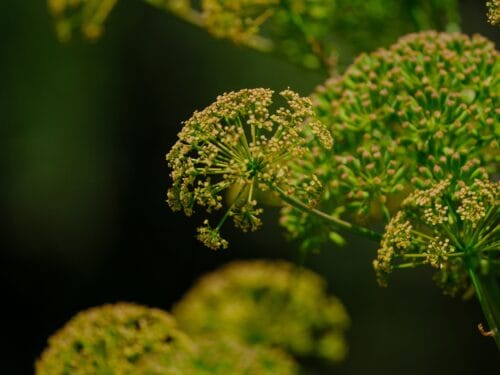
The young stems, leaves, seeds and roots of correctly identified Angelica archangelica have a long history of culinary use.
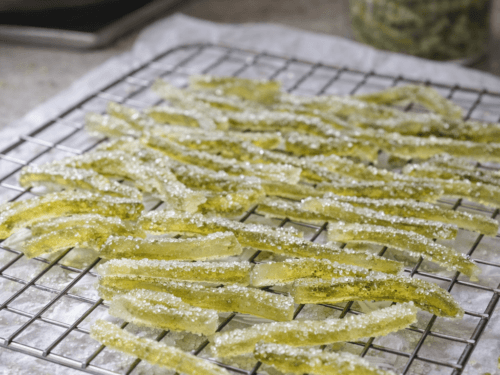
Young stems are the best-known edible part. They can be peeled, cooked in sugar syrup and dried to make traditional candied angelica.
The tender leaves can be used sparingly as an aromatic herb. They have a strong, sweet, celery-like flavour and work best in small quantities.
The seeds and roots are highly aromatic and have traditionally been used to flavour herbal teas, liqueurs, syrups and baked goods.
Angelica is traditionally used in:
Candied stems
Jams and preserves
Herbal teas
Syrups and cordials
Liqueurs and bitters
Cakes and desserts
Savoury dishes
Herbal seasoning
Angelica has traditionally been valued as a strongly aromatic and bitter herb.
In European herbal traditions, preparations made from the root or seeds were commonly associated with:
These uses are based on traditional practice. They do not prove that Angelica can prevent, treat or cure a medical condition. Medicinal preparations should only be used with professional guidance.
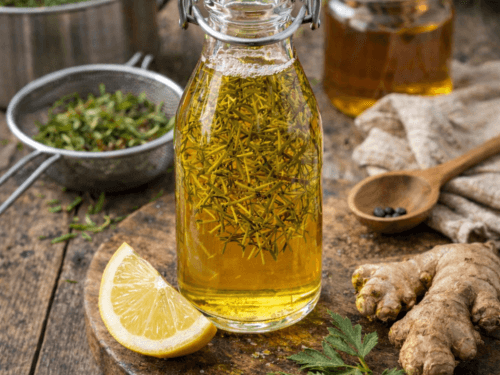
Angelica contains aromatic essential oils that give the plant its distinctive sweet, spicy and musky fragrance.
The roots and seeds contain many of these volatile compounds and have therefore traditionally been used to flavour teas, bitters, liqueurs and herbal preparations.
Angelica also contains coumarins and furanocoumarins. These natural plant compounds are important because some can make the skin more sensitive to sunlight.
Other constituents include bitter compounds, resins and various aromatic plant substances. The presence of these compounds does not by itself demonstrate a medicinal effect.
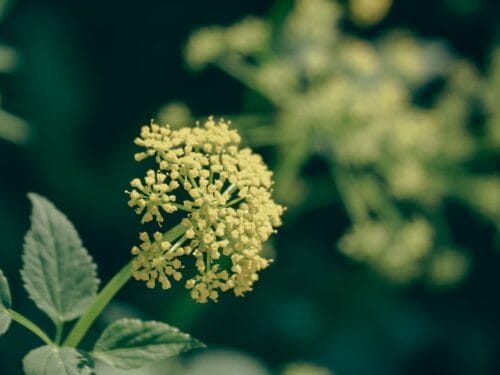
Flowering stems can reach 2.5 metres
Large, globe-shaped umbels with pale green flowers
A sweet, spicy and slightly musky scent
Young stems and seeds have long been used for flavouring
Angelica is a short-lived perennial that often behaves like a biennial.
During its first year, the plant usually forms a leafy rosette and stores energy in its root. A tall flowering stem often appears in its second year.
After flowering and setting seed, the parent plant may die, although its exact life cycle can vary depending on growing conditions.