
Wild or Garden Escapee – Aromatic Herb of Memory, Warmth & Winter Strength
Season
All year round in mild climatesPeak aroma in late summer, but best foraging in winter (strongest essential oils)
Habitat
Dry, sunny places, rocky soils, dunes, sandy pathsOften found as a garden escapee in hedgerows, edges of villages, abandoned plotsNaturalised along coasts and Mediterranean-style climates
Edibility
Leaves, young shoots, and flowers are edible Strong, aromatic, pine-citrus flavour Perfect for savoury dishes, teas, syrups, and herbal tonics
Introduction
Rosemary is one of the most beloved aromatic herbs in the world — a symbol of remembrance, loyalty, warmth, and protection. While often known as a cultivated garden herb, rosemary easily escapes into the wild, thriving along sunny paths, cliffs, dunes, and dry edges where other plants struggle.
Wild rosemary holds even stronger aromatics than garden-grown varieties. In winter, when the plant concentrates its oils to protect against cold, its fragrance becomes deeper, brighter, and more medicinal.
This makes Rosemary a beautiful plant for winter foraging, kitchen magic, herbal remedies, and ancient rituals of cleansing and protection.
Identification

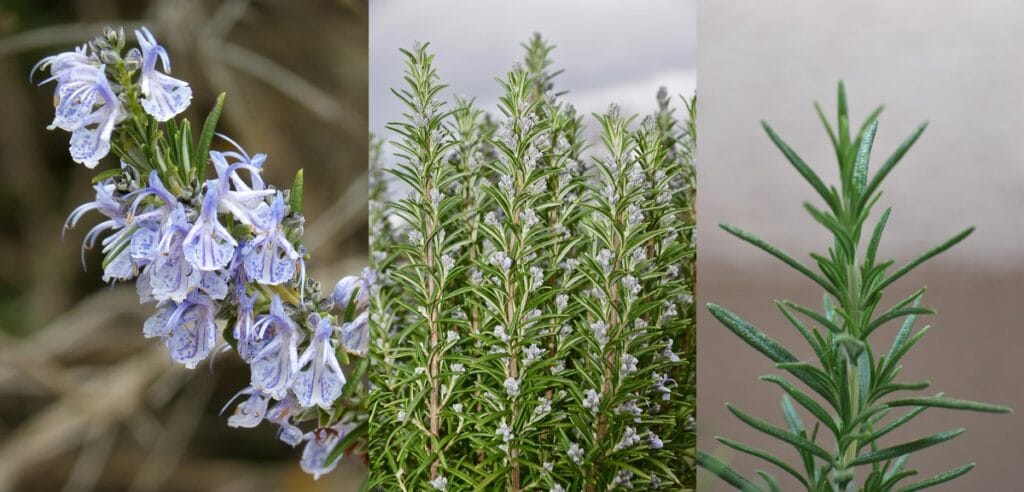
🌿 Leaves
- Needle-like, dark green above
- Silvery-white and felted underneath
- Strong aromatic scent when crushed
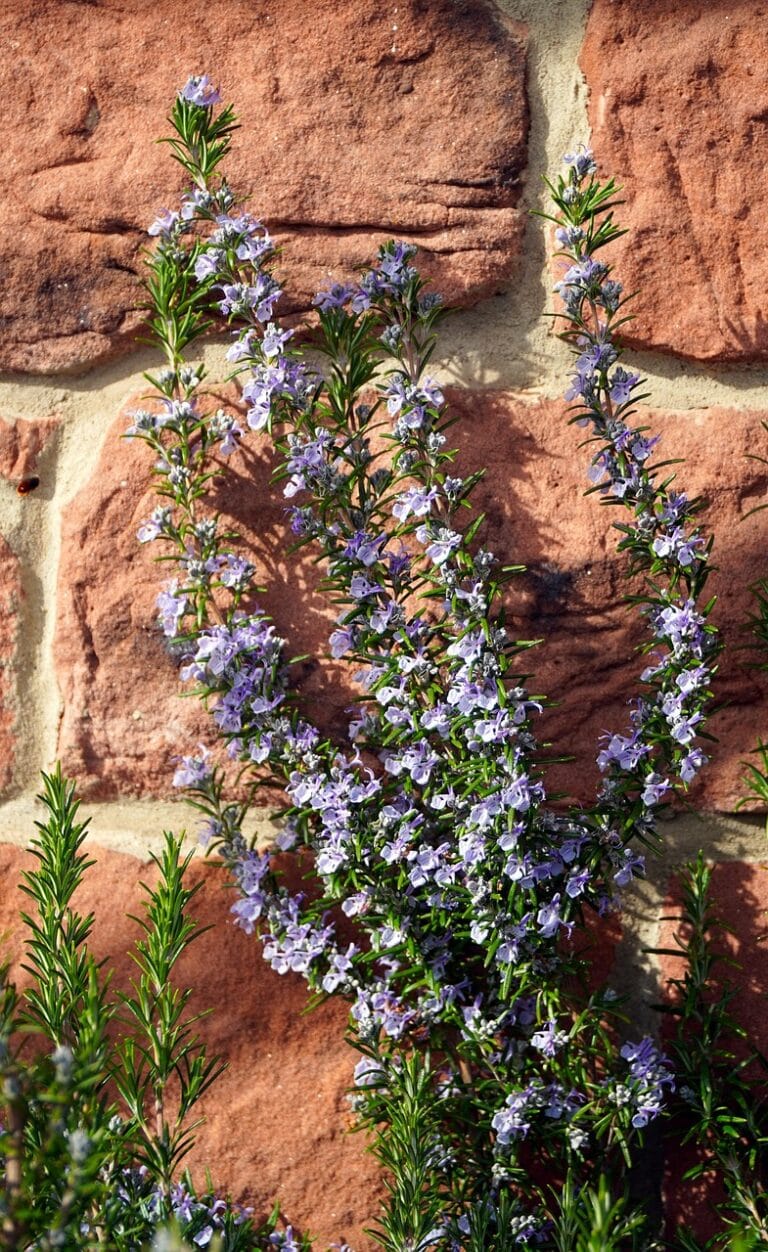
🌸 Flowers
- Pale blue, lavender, or occasionally white
- Bloom from late winter into early summer
- Bees absolutely adore them
🌱 Stems
- Woody, upright, branching
- Older stems brown, younger stems green
🌲 Growth habit
- Evergreen shrub
- 50–150 cm high in the wild
- Thrives in poor, dry soil
🍋 Scent
- Fresh pine
- Citrus
- Slight camphor
- Warming and invigorating
When to Harvest

All year: for basic kitchen use
Winter: highest concentration of essential oils
Spring: best time to harvest flowers
Summer: for abundant leafy growth
Cut small sprigs, never removing whole branches unless pruning is needed.

Where to Find Them
Wild hillsides,Dry coastal dunes,Edges of old gardensRuined houses, abandoned orchards,Sunny roadsides in mild climates,In places like Portugal, Spain, southern France, and even the Dutch coast, rosemary often grows happily without care.
Health Benefits
🌬️ Supports respiratory health
Clears sinuses
Opens the lungs
Helpful in winter teas
🧠 Memory & focus
“Rosemary for remembrance” is rooted in real herbal tradition
Clears mental fog and sharpens focus
🔥 Warming herb
Stimulates circulation
Great in cold seasons
🧘♀️ Stress-relief & mood
Uplifting aroma
Used in baths and oils
🦠 Antimicrobial
Traditionally used to cleanse rooms and spaces
Excellent herb for natural cleaning blends
Recipes

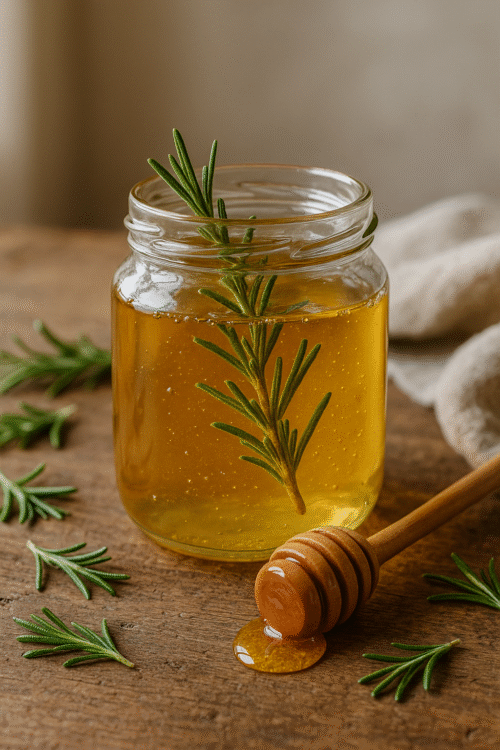
Rosemary Honey (Winter Immunity Syrup)
Warm, resinous honey infusion that soothes the lungs and throat.
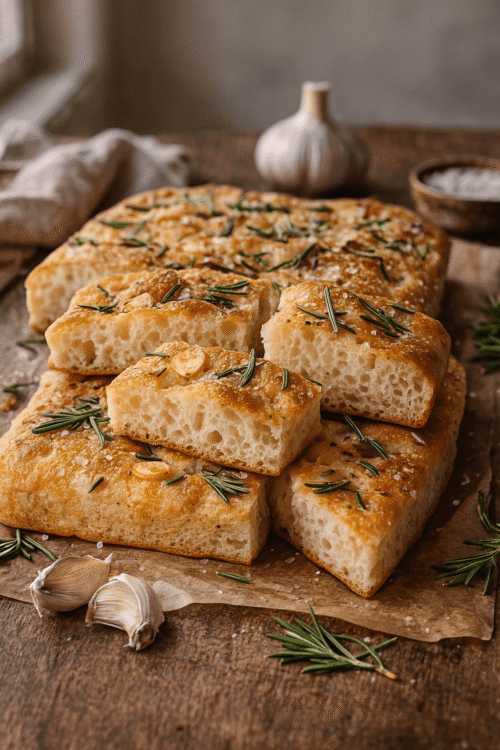
Rosemary Garlic Bread or Focaccia
Classic aromatic recipe for cozy winter nights.
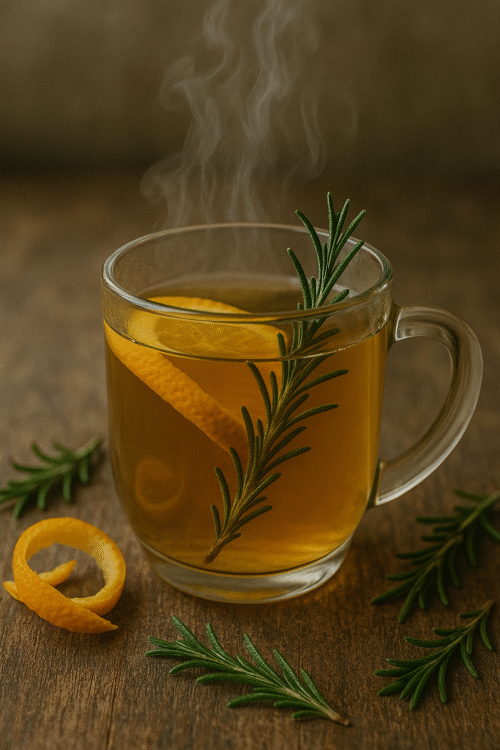
Rosemary Citrus Tea
Warming, fragrant, perfect for cold mornings.
Storage Tips
Fresh 🪴
Wrap sprigs in paper towel → fridge (up to 10 days)
Stand sprigs in a small jar of water like flowers
Dried 🏺
Hang bundles upside down
Store in airtight jar for up to 1 year
Infused💜
Rosemary oil: up to 6 months
Rosemary vinegar: several years
Rosemary honey: 1+ year
Folklore & Symbolism
Rosemary is one of the most magical herbs in European tradition:
✨ Remembrance:
Used in weddings, funerals, rituals of memory and loyalty
🔥 Protection:
Burned to cleanse the home
Placed under pillows to ward off nightmares
💍 Love & loyalty:
Brides wore rosemary crowns
Grooms carried rosemary sprigs
🌑 Winter magic:
Associated with the returning sun after solstice
A herb of clarity, strength, and endurance
🌊 Mediterranean lore:
Said to grow where Aphrodite rose from the sea foam